





Hardly any other label in Germany is as well-known and, at the same time, as often misunderstood as the Blue Angel. Many associate it with a vague promise of sustainability—yet it is backed by one of the strictest certification processes in the world. As a Type I environmental label according to DIN EN ISO 14024, the Blue Angel is based on scientifically developed criteria that are regularly reviewed and updated. It is awarded by the Federal Environment Agency in cooperation with RAL gGmbH—that is, by independent government agencies, not by the manufacturer itself.
That’s what makes the difference: While many products advertise with self-declared claims such as “environmentally friendly” or “sustainable,” the Blue Angel must be externally verified and regularly confirmed.
What makes the Blue Angel special?
Today, more than 70,000 products from over 1,800 companies bear the label—ranging from recycled paper to paints and varnishes, as well as electrical appliances, cleaning products, and plastic goods. Each product category has its own certification criteria, tailored to its specific environmental impacts. No manufacturer can award the label to itself—the system is structured in such a way that this is impossible.
Who is behind the seal?
The certification process is multi-stage and deliberately structured to be independent: The Federal Ministry for the Environment is the license holder; the Federal Environment Agency develops the technical criteria; the independent Eco-Label Jury decides on the awarding and revocation of the label; and RAL gGmbH enters into licensing agreements with the companies.
How does the procurement process work?
Unternehmen beantragen die Zertifizierung bei der RAL gGmbH, legen Nachweise zu Materialien, Produktionsprozessen und Schadstofffreiheit vor und durchlaufen eine externe Prüfung. Erst nach erfolgreichem Abschluss darf das Siegel verwendet werden – und muss regelmäßig erneuert werden. Selbstauskunft reicht nicht.
The Blue Angel for Products Made from Recycled Plastics (DE-UZ 30a)
One particularly challenging category is DE-UZ 30a “Products made from recycled plastics”. It ensures that plastic products embody a true circular economy—and not just the appearance of one.
Recycled content: At least 80% post-consumer recycled material
At least 80% of the material must come from consumer products that have actually been used and recycled—not from production waste or industrial byproducts. The higher the proportion, the lower the need for virgin plastic, and the more significant the environmental benefit.
Absence of Harmful Substances and Material Testing
All materials used are tested for substances that are hazardous to health and the environment and must be verifiably safe. This also includes recycled materials—because not every recycled material is automatically low in harmful substances.
Technical Quality in Accordance with EN 840
Despite the high proportion of recycled material, the product must meet all relevant requirements of the EN 840 standard. Sustainability, therefore, does not come at the expense of durability—certified products must deliver both.
What does “post-consumer recycled material” mean?
The term is key: post-consumer materials are plastics that consumers have already used and subsequently returned via recycling systems—such as the yellow bin or the recycling bin. Unlike industrial waste , they close genuine material loops and significantly reduce the burden on the environment. Post-consumer recycled material is more challenging to process—and that is precisely why it serves as a reliable indicator of quality.


Implications for Purchasing and Procurement
For companies with sustainability goals and public procurers, the Blue Angel offers a clear practical advantage: Certified products meet sustainability criteria without requiring additional testing—the certificate serves as proof of compliance.
Public Bids
Public contracting authorities are increasingly required to take sustainability criteria into account in their procurement processes. Products with the Blue Angel label directly and verifiably meet these requirements—without the need to set up separate testing processes.
Companies with ESG and sustainability goals
Companies with their own ESG reports or climate goals also benefit: The Blue Angel provides an externally verified, citable basis for sustainability communication—both internally and externally.
SULO waste bins – Certified containers with a true life cycle assessment
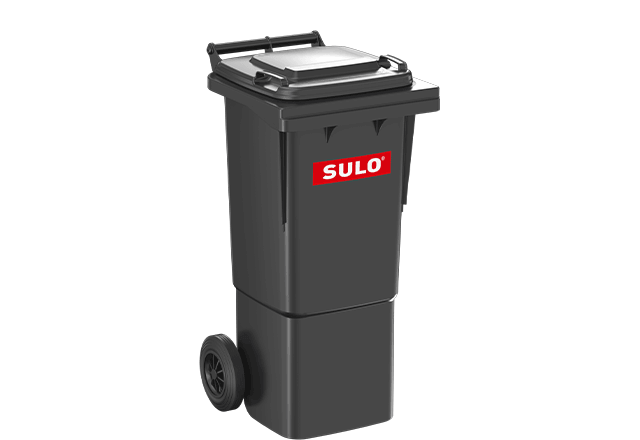
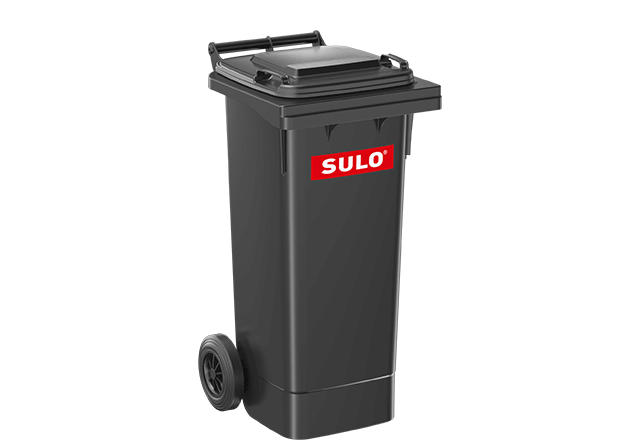
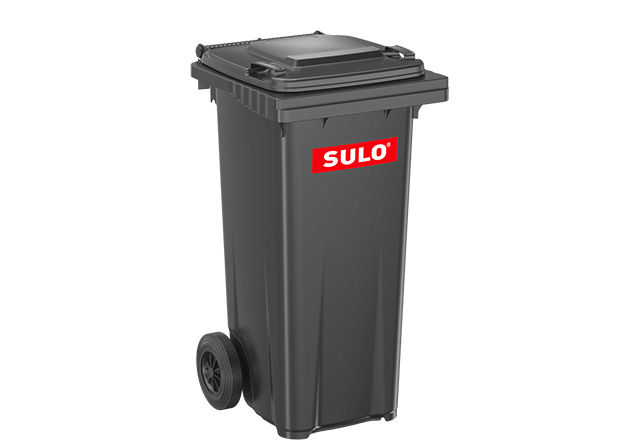
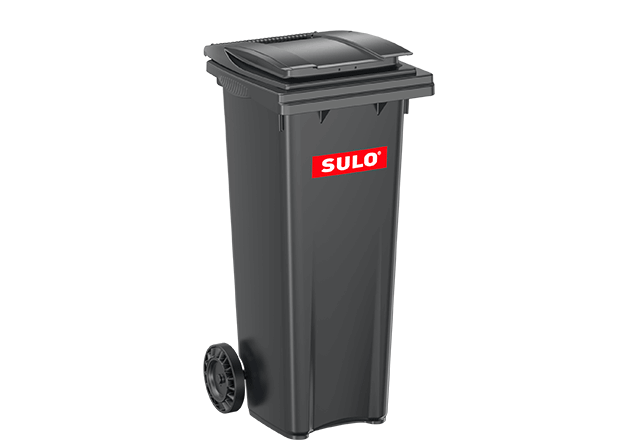
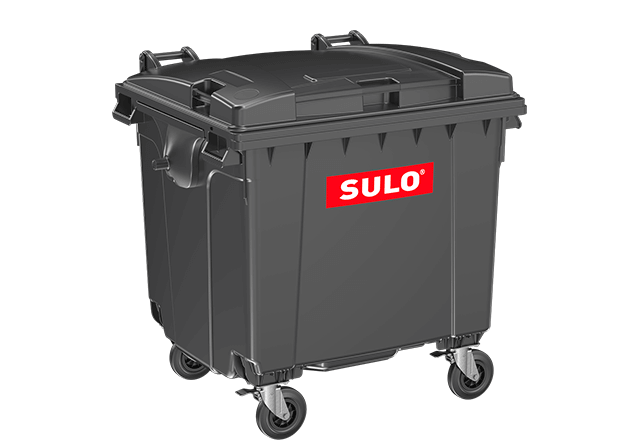
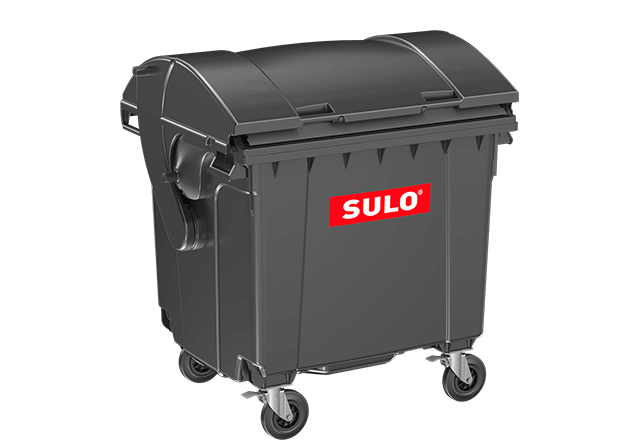
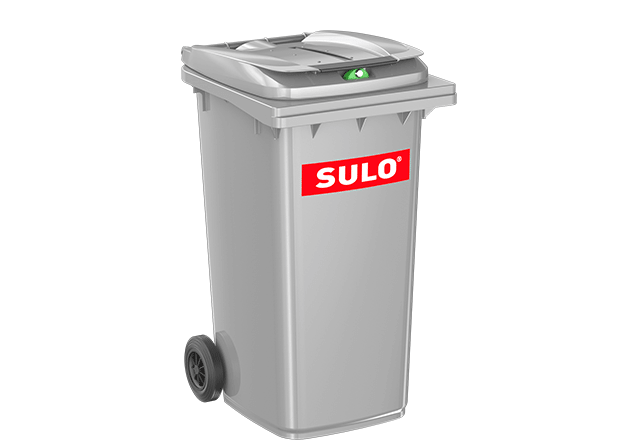
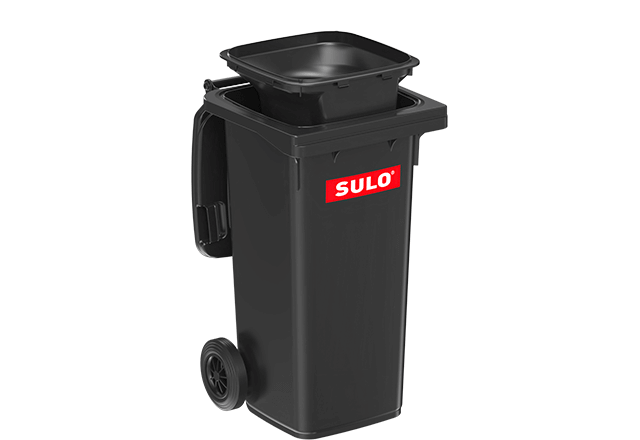
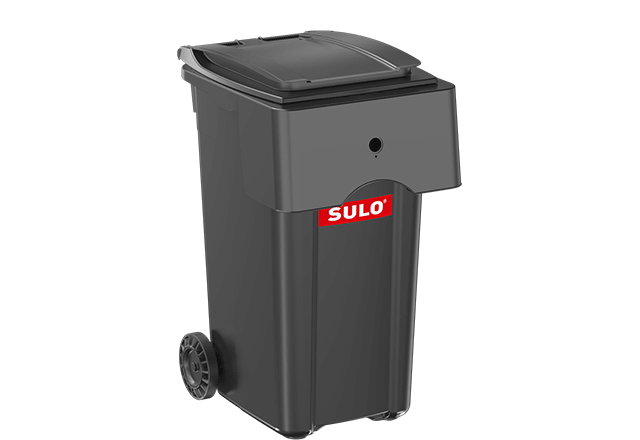
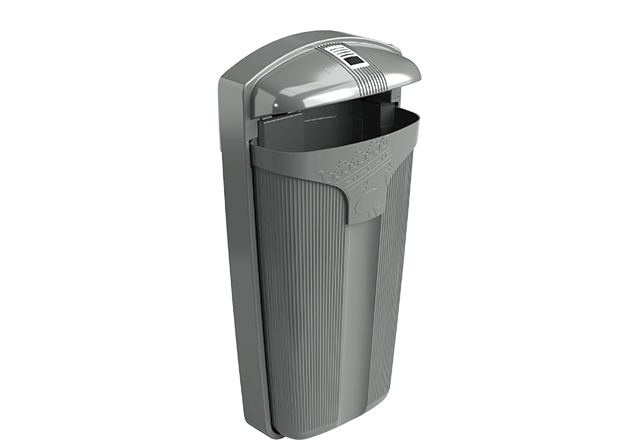
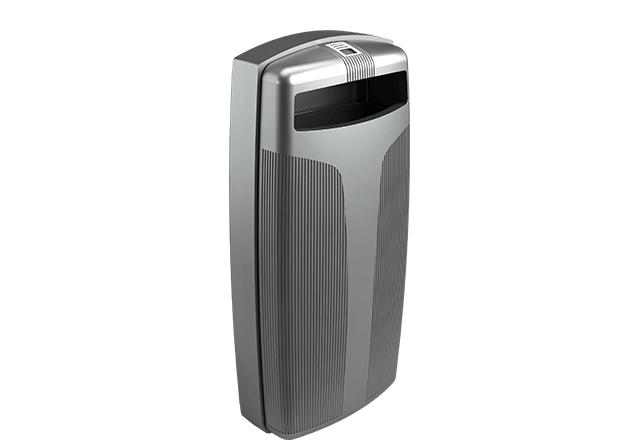
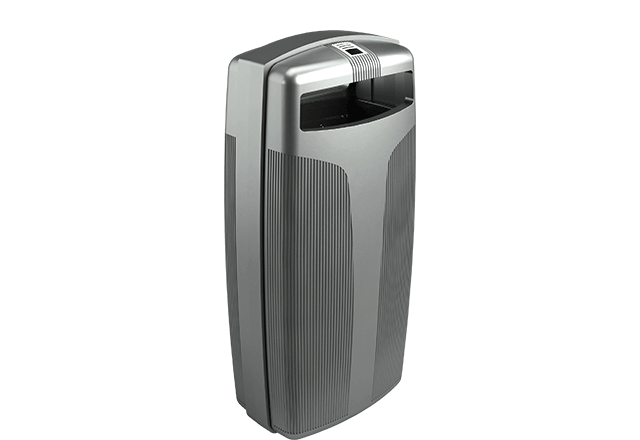
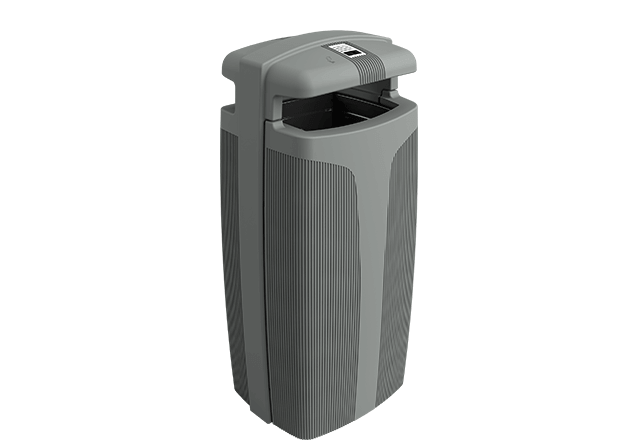
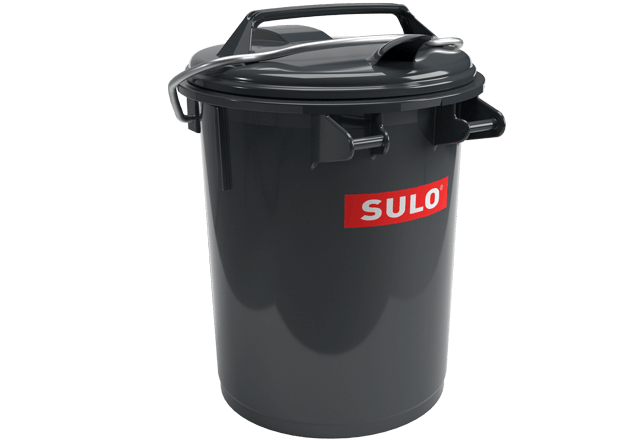
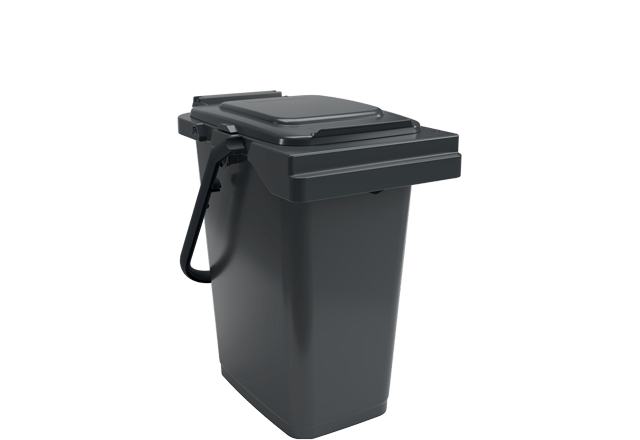
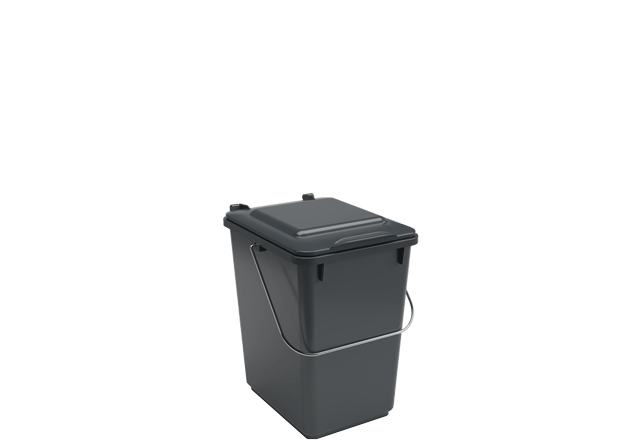
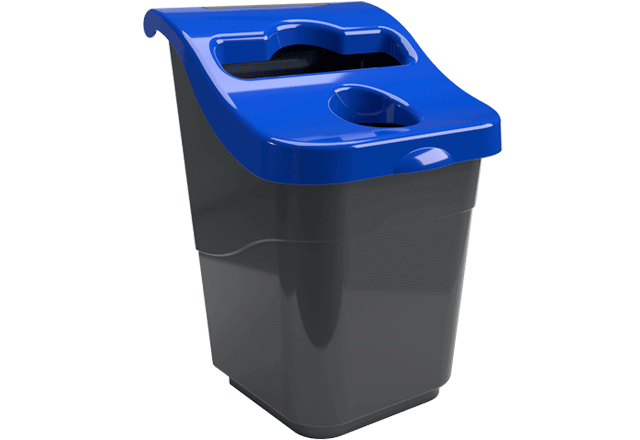
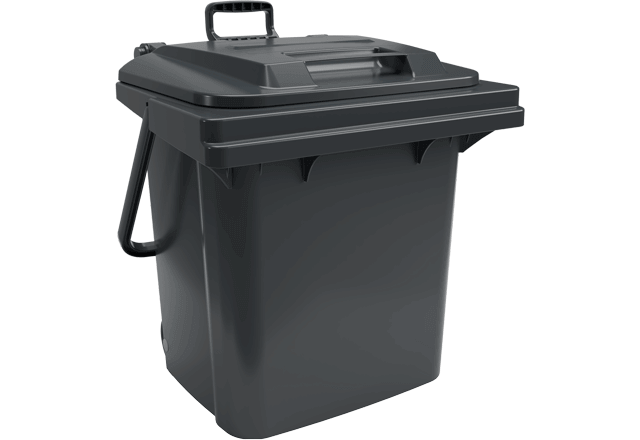
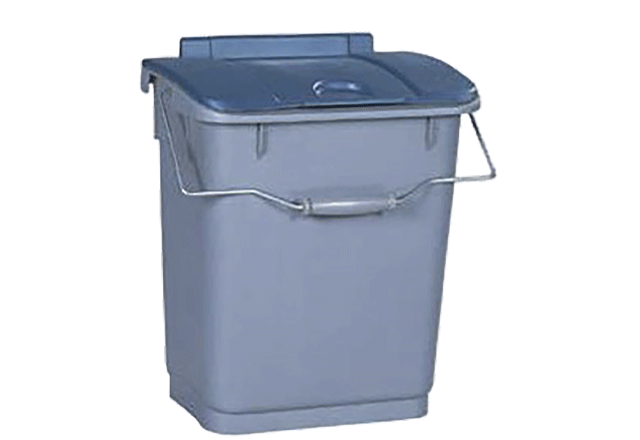
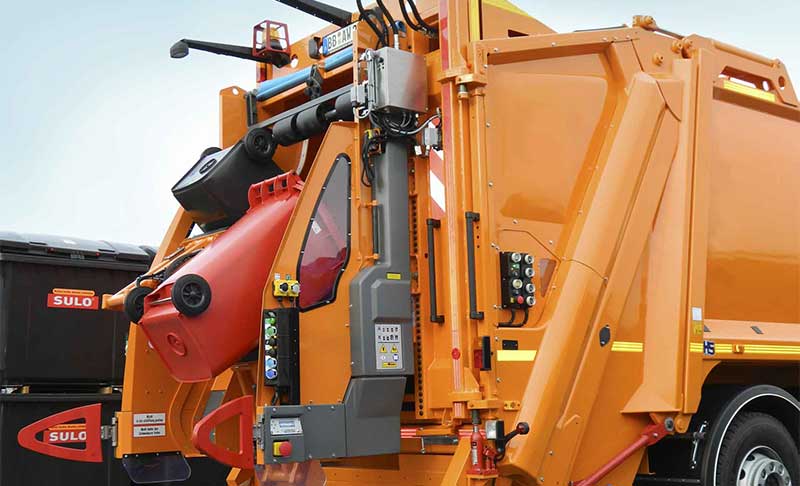
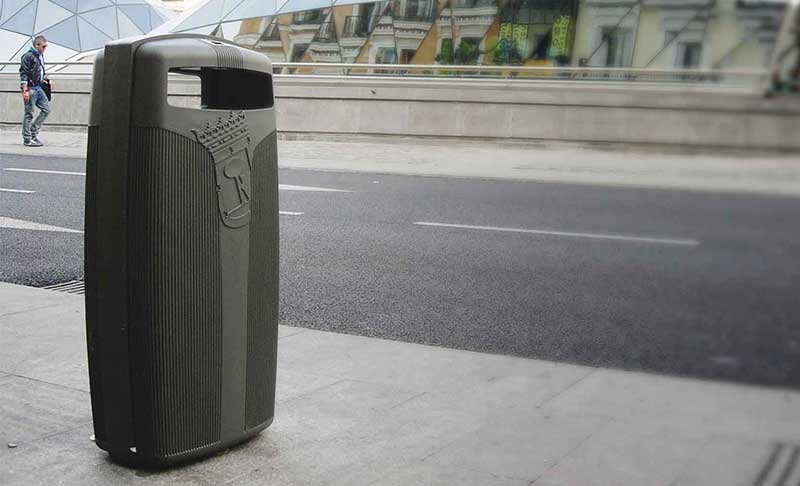
SULO is one of the few manufacturers whose waste and recycling bins carry the Blue Angel eco-label. The requirements behind the certification go beyond the legal minimum: The gray container bodies are made of 99% recycled material, production runs entirely on certified green electricity from Norwegian hydropower, and SULO is committed to taking back the containers at the end of their useful life—thus consistently closing the loop.
Available Sizes and Models
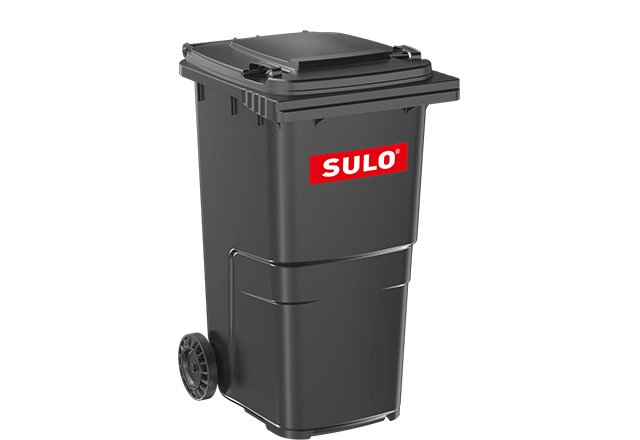
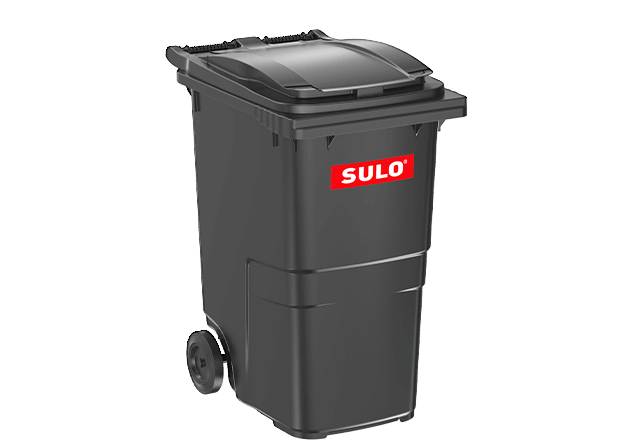
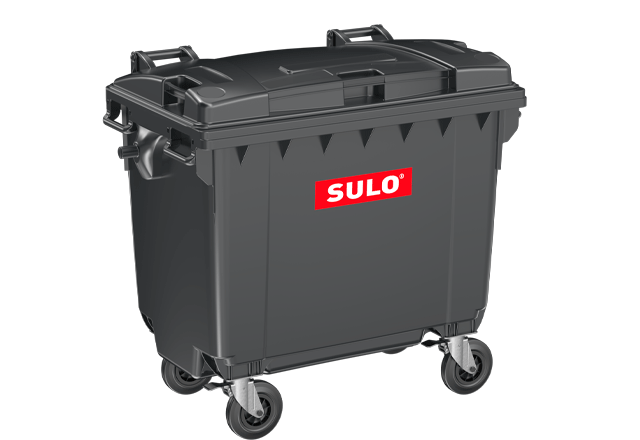
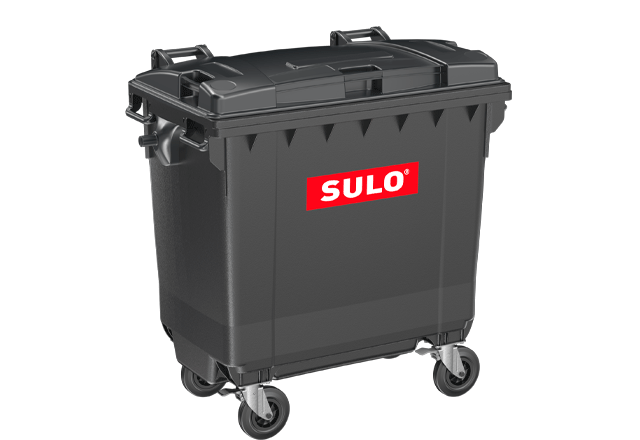
The Citybac and Citybac Classic trash cans, which comply with EN 840, are certified with the Blue Angel in the following models:
- 2-wheel containers: 35 to 400 liters
- 4-wheel containers: 660 to 1,100 liters

View the Blue Angel Certificate
The official Blue Angel certificate for the SULO brand and its products, such as trash cans, can be viewed here:
Frequently Asked Questions About the Blue Angel
Four independent institutions are behind the Blue Angel: The Federal Ministry for the Environment is the official license holder; the Federal Environment Agency develops the scientific award criteria; the independent Environmental Labeling Jury makes the award decisions; and RAL gGmbH enters into licensing agreements with manufacturers. No single company or private-sector interest stands behind the label—this is structurally ensured.